Old pipe materials under old houses
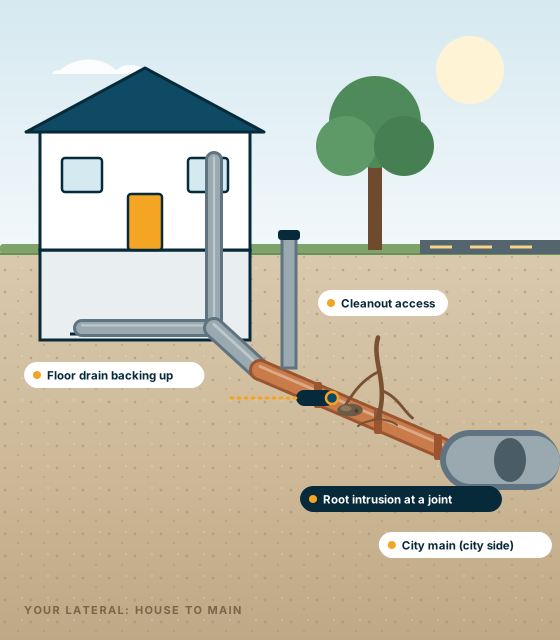
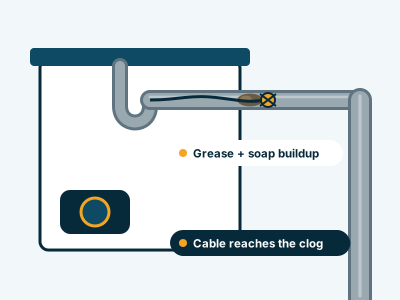
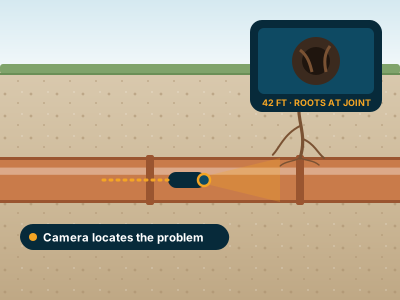
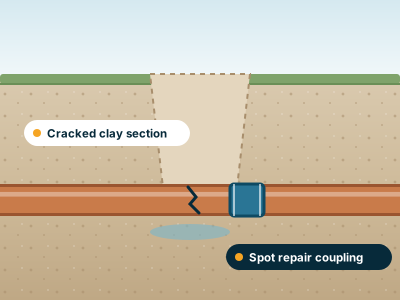
Homes built before the 1950s were usually connected to the street with vitrified clay tile or cast iron. Clay comes in short sections joined every few feet, and each joint is a place where roots can enter or where the line can shift. Cast iron does not have as many joints, but its inside wall corrodes and builds rough scale that snags paper and grease. Some mid-century homes used Orangeburg, a fiber pipe that softens and deforms with age.
Trees, roots and the hunt for water
Mature maples, oaks and sycamores line many older Zanesville streets. Their roots follow moisture and find the smallest leak at a joint. Once inside, fine roots form a net that catches toilet paper and wipes, which is why root clogs come back on a schedule, often every year or two, until the joint is repaired.
A combined sewer system
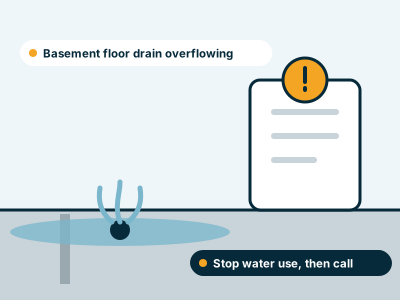
The city describes its system as combined: the same pipes carry household wastewater and street storm water. Zanesville is working under a Long Term Control Plan with the EPA to reduce overflows. For homeowners, it means heavy rain can raise flow in the main, and a lateral that is already partly blocked is more likely to back up into the basement during a storm.