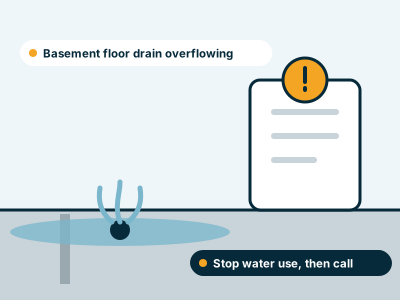
What counts as a drain emergency?
A drain emergency is any backup that is actively putting sewage or wastewater into your home, or has stopped all drainage so the house cannot be used safely. A single slow sink is an inconvenience. Sewage on a basement floor is a health and property problem that needs attention the same day.
In Zanesville homes with basements, the floor drain is usually the lowest opening on the system, so it is where a blocked main shows up first. Because the city runs a combined sewer system that carries storm water as well as wastewater, heavy rain can also raise flow in the main and push water back toward homes whose laterals are partly blocked.
Most emergencies come from the same causes as everyday clogs, such as roots, grease or a collapsed section, just at the point where they finally close the line. The everyday side of those problems is covered in our drain cleaning guide and on the local drain cleaning help page.
What to do right now, step by step
- Stop using water. No flushing, showers, laundry or dishwasher. Ask everyone in the house to stop.
- Keep people and pets away from sewage. Wear gloves and boots if you must go near it.
- Stay clear of electricity. If water is near outlets, appliances or the electrical panel, do not walk through it.
- Find out if neighbors have the same problem. If several homes on the street are backing up, the city main may be the cause.
- Call the right number. For a city-side problem, the City of Zanesville recommends calling its Wastewater Plant first. For a problem in your own line, call a drain provider.
- Document it. Take photos for insurance before cleanup begins.
8 signs you are dealing with an emergency
- Sewage or gray water is rising from a basement floor drain.
- Toilets on the lowest floor overflow when fixtures upstairs are used.
- Every drain in the house is slow or stopped at once.
- Water appears in the tub when the washer drains or a toilet flushes.
- A strong sewage smell fills the basement or the house.
- Water is spreading toward the furnace, water heater or electrical panel.
- A hole or sinkhole has opened in the yard over the sewer line.
- The backup gets worse during heavy rain and does not drain afterward.
Sewage coming up? Stop using water and call now.
What causes sudden backups in Zanesville
- Root masses that finally close the line. Roots grow slowly for months, then one load of paper completes the blockage.
- Grease plugs in the main, often after holidays or large gatherings.
- Wipes and feminine products that snag on a joint and build a dam.
- Collapsed pipe. Old clay, cast iron or fiber pipe can give way, stopping all flow.
- Storm surges in the combined sewer. Heavy rain raises flow in the city system and can push water back up a partly blocked lateral.
- Grinder pump problems in parts of the East End served by city-maintained pump stations. See the East End guide.
Why backups often happen during heavy rain in Zanesville
Many people notice that their basement floor drain backs up during or right after a storm. In Zanesville there is a clear reason. The city describes its sewer as a combined system, meaning the same pipes carry household wastewater and storm water from the streets. When heavy rain fills the system, the main carries much more flow than usual.
A home lateral that is already partly blocked by roots, grease or a sag can handle normal flow but not the extra pressure of a surge. Water then takes the easiest route out, which is often the basement floor drain, the lowest opening in the house.
The city is working under a Long Term Control Plan with the EPA to reduce overflows over time. For an individual homeowner, the practical steps are keeping the lateral clear, finding and fixing what causes repeat clogs, and asking whether a backwater valve makes sense for the house. If backups happen only during storms and several neighbors are affected, report it to the city as well.
Quick checks while you wait
- Check the cleanout if you know where it is. Water standing in it means the blockage is downstream, toward the street.
- Do not open the cleanout cap if the line is full and pressurized; sewage can spill out.
- Check the grinder pump alarm if your home has one. An alarm light or sound means the pump station needs attention.
- Move valuables and anything that can be damaged off the basement floor.
- Note what happened just before the backup, which helps the technician find the cause.
Sewage coming up? Stop using water and call now.
What an emergency drain visit involves
- Triage on the phone. Describe where water is coming up and whether neighbors are affected.
- Find the access. The technician locates the cleanout or the best place to enter the line.
- Restore flow. A heavy cable is usually the first tool to open the main.
- Confirm drainage. Water is run to make sure the line is carrying flow.
- Recommend next steps. For roots or collapse, expect a recommendation for a camera inspection once the line is clear.
- Cleanup is separate. Sewage cleanup and disinfection is typically handled by a restoration company.
After the backup: cleanup and preventing the next one
Once the line is flowing, two jobs remain: cleaning up safely and lowering the odds it happens again.
Cleanup
Sewage-contaminated areas need to be cleaned and disinfected, and porous materials such as carpet, padding, drywall near the floor and cardboard boxes are often discarded rather than cleaned. Many homeowners use a water damage restoration company for anything beyond a small, hard-surfaced area. Ventilate the space and keep it dry to limit mold.
Insurance
Photograph everything before it is moved or thrown away, keep receipts, and call your insurer early. Many standard policies exclude sewer backup unless a specific endorsement was added, so ask what your policy covers.
Preventing a repeat
- Find the cause. A camera inspection after the emergency shows whether roots, a sag or a broken section caused it.
- Fix the cause, not just the clog. A targeted repair or lining stops roots from returning to the same joint.
- Ask about a backwater valve. In homes with basement fixtures, a backwater valve can help stop water from flowing back into the house during a surge in the public sewer. A provider can tell you whether your plumbing is suited for one and whether a permit is needed.
- Change habits. Keep wipes, grease and hygiene products out of every drain.
What affects the cost of an emergency call?
Emergency visits are priced by each provider. These factors usually matter most.
| Factor | Effect on the job |
|---|---|
| Time of the call | Nights, weekends and holidays can cost more with some providers. |
| Access | A reachable cleanout is faster than pulling a toilet. |
| Cause | Roots or collapse take longer than a single grease or wipe clog. |
| Follow-up work | Camera inspection or repair is usually priced separately. |
| Cleanup | Sewage cleanup is typically a separate service. |
When to call the city instead
If several homes on your street are backing up at the same time, or water is coming from a manhole or the street, the problem may be in the public sewer. The City of Zanesville says its Sewer Maintenance staff are available 24 hours a day for backup issues and recommends calling the Wastewater Plant before calling a plumber. If the backup is limited to your home, the lateral, which is the homeowner's responsibility, is the likely cause.
Emergency Drain Service FAQs for Zanesville homeowners
Is a basement floor drain backup always an emergency?
If sewage or wastewater is coming up, treat it as one: stop using water and call. A floor drain that only smells or drains slowly can usually wait for a scheduled visit.
Who do I call for a sewer backup in Zanesville?
The City recommends calling its Wastewater Plant first if you are unsure whether the problem is in the public main. For a clog in your own lateral or house drains, call a drain provider.
Can I use my toilet during a backup?
No. Every flush adds water that has nowhere to go and will come out at the lowest opening, usually the basement floor drain or a lower toilet.
Will insurance cover sewage backup damage?
Many policies exclude sewer backup unless you have a specific rider or endorsement. Check your policy and photograph the damage before cleanup.
What if my home has a grinder pump?
If your home is one of those served by a city-maintained grinder pump station in the East End, an alarm or backup may be a pump issue. The East End page explains what to check.
How fast can someone come out?
Availability depends on the provider and the time you call. Ask on the phone when they can arrive and what the visit will cost before you book.
Related services and areas
Backups can happen anywhere in the city, from Putnam and central Zanesville to South Zanesville and the East End. See all service areas.